
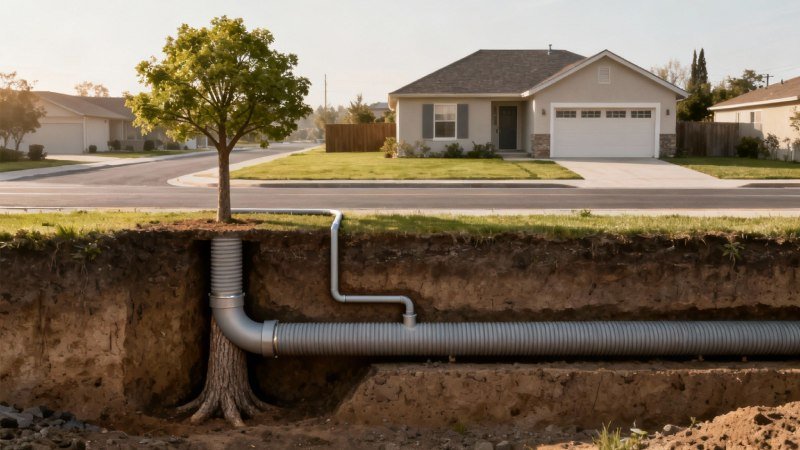
Most homeowners rarely think about their sewer line when everything is working correctly. Water goes down the drain, toilets flush, and wastewater quietly leaves the property.
But the sewer line is one of the most important components of a home’s plumbing ecosystem. Nearly every sink, shower, bathtub, toilet, washing machine, and dishwasher ultimately depends on the main sewer line to carry wastewater safely away from the house.
When that system begins to fail, the consequences can extend far beyond a slow drain. Ignoring the need for sewer line repair in Northern Kentucky can eventually lead to recurring backups, property damage, sanitation concerns, plumbing system failures, and significantly more expensive repairs.
Understanding how the sewer system supports the rest of the home can help homeowners recognize problems before they become emergencies.
The Sewer Line Is the Main Exit Point for Your Home’s Wastewater
A home’s plumbing system functions like an interconnected network.
Individual drain lines carry wastewater away from fixtures such as:
- Toilets
- Kitchen sinks
- Bathroom sinks
- Showers and bathtubs
- Washing machines
- Dishwashers
Those smaller pipes eventually connect to the home’s main sewer line.
The sewer line then transports wastewater away from the property and into the municipal sewer system or another approved wastewater system.
Because nearly every drain eventually connects to this main line, a serious sewer problem can affect multiple areas of the home at the same time.
That is one reason sewer line issues are often more disruptive than an ordinary clogged sink or shower drain.
Why a Healthy Sewer System Is So Important for Homeowners
A functioning sewer line does much more than keep drains moving.
It helps maintain sanitation, protects the property from wastewater contamination, supports normal household plumbing operations, and prevents sewage from returning through drains.
When the sewer line works correctly, homeowners may never notice it.
When it doesn’t, the problem can quickly become impossible to ignore.
A compromised sewer line may cause:
- Multiple slow drains
- Repeated toilet backups
- Sewage odors
- Gurgling plumbing fixtures
- Wastewater backing up into tubs or floor drains
- Unusually wet areas outside
- Recurring drain clogs
These symptoms can sometimes appear gradually, which makes it easy for homeowners to temporarily solve the visible problem without addressing the underlying sewer issue.
Why Sewer Problems Can Be Different From Ordinary Drain Clogs
One slow bathroom sink does not automatically mean the home’s sewer line is damaged.
However, several plumbing fixtures struggling at the same time can indicate a problem farther down the drainage system.
For example, if a toilet backs up while the shower drains slowly and a nearby sink begins gurgling, the problem may involve the main drainage or sewer system rather than an isolated fixture.
Repeatedly clearing individual drains may provide temporary relief without solving the underlying issue.
Professional evaluation becomes particularly important when the same plumbing symptoms continue returning.
Common Causes of Sewer Line Problems in Northern Kentucky
Several conditions can contribute to sewer line damage or blockage.
Tree Root Intrusion
Tree roots naturally grow toward sources of moisture.
If an underground sewer pipe develops a small crack, joint separation, or opening, roots may enter the pipe. Once inside, the roots can continue growing and gradually restrict wastewater flow.
Root intrusion can lead to recurring blockages and may contribute to additional pipe damage.
Aging Sewer Pipes
Older homes may have sewer lines made from materials that can deteriorate over time.
Depending on the age and construction of the property, underground pipes may experience corrosion, cracking, shifting, or structural deterioration.
Age alone doesn’t necessarily mean a sewer line needs replacement, but recurring problems should not be ignored.
Ground Movement
Soil movement can place pressure on underground plumbing.
Seasonal temperature changes, heavy rainfall, erosion, settling, and other ground conditions may cause sewer pipes to shift or become misaligned.
Northern Kentucky’s changing seasons can make underground plumbing conditions worth monitoring, particularly on older properties.
Grease and Debris Accumulation
Wastewater pipes are designed to carry certain materials—not everything that fits down a drain.
Cooking grease, wipes, paper products, hygiene items, and other debris can accumulate inside sewer lines and contribute to major blockages.
Even products marketed as “flushable” can create problems in some plumbing systems.
Crushed or Damaged Pipes
Construction activity, soil pressure, age, or structural failure can damage sections of underground sewer pipe.
When a pipe becomes crushed or partially collapsed, wastewater may no longer have a clear path away from the home.
What Happens When Sewer Line Repairs Are Ignored?
Sewer line problems rarely improve on their own.
A minor obstruction or small damaged section may eventually develop into something much more disruptive.
Recurring Sewage Backups
One of the most serious consequences is wastewater reversing direction and returning through drains.
Backups commonly appear through lower plumbing fixtures, including basement drains, showers, bathtubs, or toilets.
This can create a difficult cleanup situation and may expose parts of the home to contaminated wastewater.
Water and Property Damage
A backup can damage:
- Flooring
- Drywall
- Baseboards
- Cabinets
- Furniture
- Stored belongings
- Finished basements
In severe cases, repairing the damage inside the home may become more expensive than addressing the sewer problem itself would have been earlier.
Sanitation Concerns
Sewage isn’t simply dirty water.
Wastewater may contain bacteria, viruses, and other contaminants that homeowners should avoid contacting directly.
When sewage enters living spaces, professional cleanup may become necessary in addition to plumbing repairs.
Damage Can Become More Extensive
A small crack or partially blocked pipe may be easier to address than a severely damaged or collapsed sewer line.
Waiting can sometimes allow roots to spread farther into the pipe, damaged sections to deteriorate, or blockages to become larger.
Earlier diagnosis gives homeowners more repair options.
Multiple Plumbing Fixtures Can Become Unusable
Because the sewer line serves the entire drainage system, a serious blockage can affect much of the house.
Eventually homeowners may be unable to safely use toilets, sinks, showers, laundry equipment, or other plumbing fixtures until the problem is corrected.
That turns a plumbing inconvenience into a major disruption.
Warning Signs That Sewer Line Repair May Be Needed
Homeowners should pay particular attention when several symptoms appear together.
Possible warning signs include:
- Multiple drains slowing at once
- Frequent drain backups
- Toilets repeatedly clogging
- Gurgling noises from drains
- Sewage odors inside or outside
- Water appearing in unexpected drains when another fixture is used
- Unexplained soggy areas in the yard
- Recurring plumbing problems shortly after drain cleaning
One of the biggest warning signs is repetition.
If the same plumbing problem keeps returning, there is usually an underlying cause that deserves further investigation.
Professional Diagnosis Can Identify the Actual Problem
Sewer line problems can produce similar symptoms even when the causes are very different.
A blockage may require one solution, while root intrusion, pipe separation, corrosion, or structural collapse may require another.
Professional plumbers can evaluate the drainage system and determine where the problem is occurring before recommending repairs.
Depending on the situation, the evaluation may include sewer camera inspection, professional drain cleaning equipment, or other diagnostic methods.
The goal should be to identify the root cause rather than repeatedly treating the symptom.
Early Sewer Line Repair Can Protect the Entire Plumbing System
Addressing sewer problems early often gives homeowners more control over the situation.
A professional may be able to repair a specific damaged section rather than dealing with a much larger failure later.
The appropriate solution depends on factors such as:
- Pipe material
- Location of the damage
- Severity of the problem
- Accessibility
- Overall condition of the sewer line
- Whether the problem is structural or blockage-related
Not every sewer issue requires complete replacement.
That is why accurate diagnosis matters.
What Northern Kentucky Homeowners Should Know
Homeowners throughout Northern Kentucky deal with a combination of older housing, mature landscaping, changing seasons, rainfall, and underground soil conditions that can all influence plumbing systems over time.
Properties in communities such as Florence, Walton, Independence, Burlington, Union, and surrounding areas may have very different sewer systems depending on when the homes were built.
Homeowners do not need to become sewer experts.
They do, however, benefit from recognizing warning signs and responding when problems repeatedly occur.
A sewer line should essentially be invisible when it is doing its job.
When it starts making itself noticeable, it is usually worth investigating.
Frequently Asked Questions About Sewer Line Repair in Northern Kentucky
How do I know if my sewer line is damaged?
Recurring backups, several slow drains, sewage odors, gurgling fixtures, and wastewater appearing through lower drains can indicate a sewer line problem. Professional diagnosis is usually necessary to determine whether the cause is a blockage or damaged pipe.
Can a sewer line problem damage my house?
Yes. A severe sewer backup can damage flooring, drywall, furniture, cabinets, stored belongings, and finished basement areas. Contaminated wastewater may also require specialized cleanup.
Can tree roots really damage sewer pipes?
Yes. Roots can enter existing cracks or openings in underground sewer pipes while searching for moisture. Once inside, they may restrict wastewater flow and worsen existing pipe damage.
Why does my sewer line keep backing up?
Recurring backups can result from grease buildup, foreign materials, root intrusion, damaged pipes, shifting pipe sections, or other restrictions. Repeated backups should be professionally evaluated rather than repeatedly treated as isolated clogs.
Does every sewer problem require replacing the entire line?
No. Some sewer problems may involve one damaged area or removable blockage. A professional inspection can help determine whether targeted repair, cleaning, or more extensive replacement is appropriate.
Is sewer line repair something homeowners should handle themselves?
Minor fixture clogs may sometimes be manageable, but suspected main sewer problems generally require professional equipment and diagnosis. Attempting to clear an unknown sewer obstruction without understanding the cause can fail to resolve the issue and may potentially damage plumbing components.
Protecting the System That Keeps the Rest of Your Plumbing Working
The sewer line may not be the most visible part of a home, but it is one of the most important.
Every day, it quietly carries large amounts of wastewater away from the property and allows the home’s toilets, sinks, showers, appliances, and drains to operate normally.
When sewer problems begin, ignoring them can turn a manageable plumbing repair into a much larger property issue.
Homeowners experiencing repeated backups, multiple slow drains, sewage odors, or other warning signs should consider having the system professionally evaluated.
Prompt sewer line repair in Northern Kentucky can help restore proper wastewater flow, protect the home from damage, and prevent a developing plumbing problem from becoming a far more serious disruption.