
Choosing between gas and electric systems can significantly impact your energy bills and overall home efficiency. Many homeowners exploring options like gas hot water heaters often wonder whether they truly offer better savings compared to electric alternatives. The answer isn’t always straightforward, as both systems come with their own costs, benefits, and long-term considerations. Understanding how each works and where the savings come from is key to making the right decision.
Understanding How Each System Works
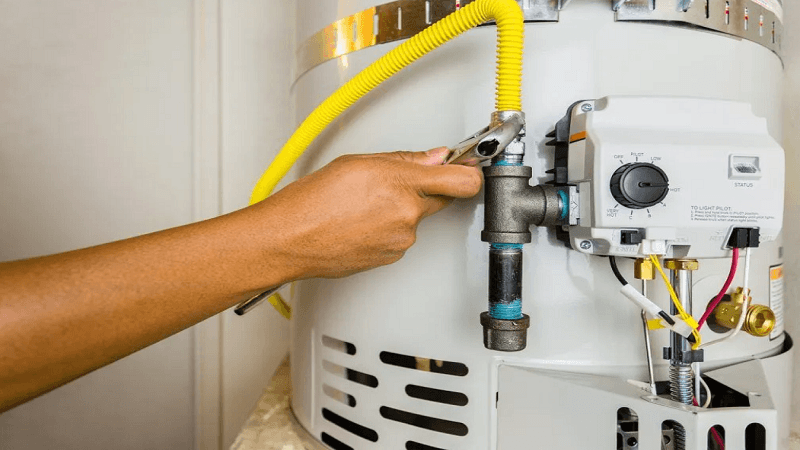
Gas hot water systems use natural gas or propane to heat water through a burner located beneath the tank. This process is generally faster, allowing hot water to replenish quickly. On the other hand, electric systems rely on heating elements powered by electricity to warm the water stored in the tank. While electric units are typically simpler in design, they often take longer to heat water and recover after heavy usage.
Installation Costs and Initial Investment
One of the first factors homeowners notice is the upfront cost. Electric systems are usually cheaper to purchase and install because they don’t require gas lines or ventilation systems. This makes them an attractive option for smaller homes or apartments. Gas systems, however, often come with higher installation costs due to additional infrastructure requirements. Despite the higher initial expense, many homeowners consider gas units a long-term investment because of their operational efficiency.
Energy Efficiency and Monthly Savings
When comparing ongoing costs, gas systems often come out ahead in regions where natural gas is affordable. Heating water with gas tends to be less expensive per unit of energy than electricity. As a result, households with high hot water usage—such as large families—may see noticeable savings on monthly utility bills. Electric systems, while efficient in converting energy into heat, can become costly if electricity rates are high. However, in areas with access to renewable energy or lower electricity prices, electric systems can be surprisingly economical.
Performance and Recovery Time
Another important aspect to consider is performance. Gas systems typically heat water faster and have a quicker recovery rate, meaning you’re less likely to run out of hot water during back-to-back showers or heavy use. Electric systems may struggle in high-demand situations, especially standard tank models. This difference in performance can indirectly affect savings, as a more efficient system reduces the need for repeated heating cycles.
Maintenance and Lifespan
Maintenance requirements also play a role in long-term costs. Gas systems tend to need more regular servicing due to components like burners and ventilation systems. Electric systems, being simpler, usually require less maintenance and have fewer parts that can fail. However, both systems can last many years if properly maintained, and the cost of repairs should be factored into the overall savings calculation.
Environmental Considerations
Environmental impact is becoming an increasingly important factor for homeowners. Electric systems can be more eco-friendly when powered by renewable energy sources such as solar or wind. Gas systems, while efficient, still rely on fossil fuels and produce emissions. If sustainability is a priority, this could influence your choice even if the cost difference is minimal.
Which Option Saves More in the Long Run?
The real answer depends on your household’s specific needs. If you have access to low-cost natural gas and a high demand for hot water, a gas system will likely save you more over time. On the other hand, if electricity is affordable or you’re using renewable energy, an electric system can be just as cost-effective while offering easier installation and lower maintenance.
Final Thoughts
There’s no universal winner when it comes to gas versus electric hot water systems. Each option has its strengths, and the better choice depends on factors like energy prices, household size, and environmental priorities. By evaluating both the upfront and ongoing costs, you can choose a system that not only fits your budget but also delivers reliable performance for years to come.