
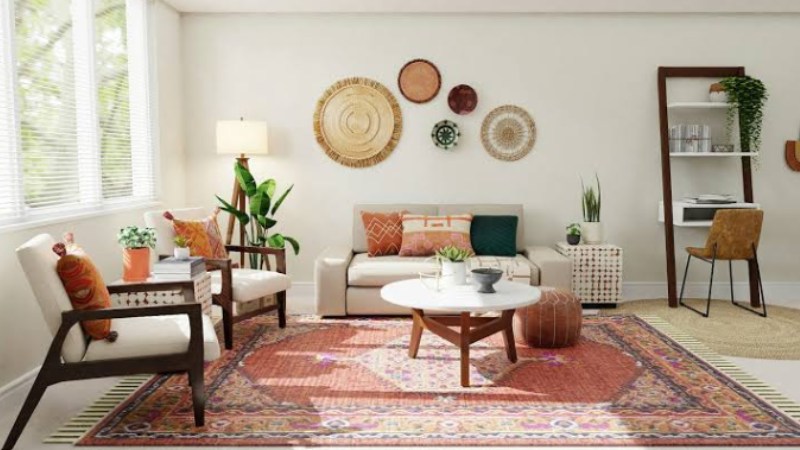
A more comfortable home does not always require a major remodel or a large budget. In many cases, a few thoughtful changes can improve how a room looks, feels, and functions every day. Budget home improvement is often about fixing small frustrations, using space more efficiently, and choosing items that make daily routines easier.
You might replace harsh lighting, create better storage, improve seating, or add soft furnishings that make a room feel warmer. These changes may seem simple, but together they can make a noticeable difference. The best home renovation ideas are often practical, affordable, and suited to the way you actually live.
This guide explores practical household upgrades, space-saving solutions, and home improvement essentials that can help you create a more comfortable home without unnecessary expense.
Start with the Areas You Use Most
Before buying anything, look at the rooms you use every day. Kitchens, bedrooms, living rooms, and entryways usually offer the best opportunities for improvement.
Ask yourself:
- Which area feels cluttered?
- Where do you lack storage?
- Which room feels dark or uncomfortable?
- What daily task takes more effort than it should?
This review helps you focus your money on changes that will have the greatest effect. Budget home improvement works best when every purchase solves a real problem.
A narrow entryway may benefit more from a wall-mounted rack than a decorative table. A small bedroom may feel better with under-bed storage rather than another cabinet. The goal is not to add more things. It is to make the space work better.
Improve Comfort with Better Lighting
Lighting can completely change the mood of a room. A bright ceiling light may be useful for cleaning, but it can feel harsh in the evening. Adding different light sources creates a softer space.
Consider table lamps beside sofas or beds, floor lamps in dark corners, under-cabinet lights in the kitchen, and motion-sensor lights in hallways or closets.
These are practical household upgrades because they improve comfort and convenience.
When planning affordable home upgrades, pay attention to bulb temperature. Warm white light is usually relaxing in bedrooms and living rooms, while neutral white light works well in kitchens and workspaces.
Choose Space-Saving Solutions for Small Rooms
A small home can still feel comfortable when every item has a purpose. Clutter often makes a space feel tighter than it really is, so smart storage should be a priority.
Use Vertical Space
Tall shelving, wall hooks, floating shelves, and over-door organisers help you use areas that often remain empty. These space-saving solutions are especially useful in bathrooms, kitchens, and compact bedrooms.
Select Multifunctional Furniture
A storage bench can provide seating and hide shoes, blankets, or toys. A foldable desk can create a temporary work area. An ottoman with hidden storage can act as a footrest, seat, and container.
When comparing affordable home products, look beyond appearance. Think about how many functions an item can perform and whether it reduces clutter.
For a broad range of affordable home products, compare items based on size, durability, storage capacity, and how well they suit your layout.
Refresh Soft Furnishings Instead of Replacing Furniture
Replacing a sofa, bed, or dining set can be expensive. In many cases, you can refresh the room by changing the softer details around the furniture.
Cushion covers, curtains, bed linen, throws, rugs, and chair pads can add texture and colour without a major commitment. They are useful home improvement essentials because they can make an older room feel cleaner and more welcoming.
A faded sofa may look better with a fitted cover and coordinated cushions. A bedroom can feel calmer with lighter curtains and neutral bedding. These simple home renovation ideas let you test a new look before spending money on larger items.
Make the Bedroom More Restful
Comfort matters most in the bedroom because sleep affects your mood, focus, and energy. Fortunately, improving a bedroom does not always require expensive furniture.
Reduce visible clutter with baskets, drawer dividers, or under-bed storage. Add blackout curtains if outside light interrupts sleep. Replace flat pillows or worn bedding when necessary.
A bedside lamp, soft rug, and small table can make the room more functional. These practical household upgrades also create a calmer environment.
Upgrade the Kitchen in Small Steps
The kitchen is one of the most expensive rooms to renovate, but it also offers many low-cost improvement opportunities.
Instead of replacing cabinets, change the handles, add shelf liners, install pull-out organisers, use clear food containers, or add a narrow rolling cart. These home renovation ideas can make the kitchen easier to use without changing its layout.
Keep frequently used items within easy reach. Kitchen space-saving solutions such as stackable containers and wall-mounted racks can turn unused areas into practical storage.
Improve the Bathroom Without a Full Remodel
A bathroom can feel cleaner and more comfortable with a few targeted changes. You do not need to replace tiles or fittings unless they are damaged.
A better shower curtain, matching baskets, wall-mounted shelves, a larger mirror, absorbent mats, and stronger lighting can quickly refresh the space. These are affordable home upgrades that make the room easier to use and maintain.
Moisture control also matters. Improve ventilation where possible and choose storage materials that can handle humidity. These details may prevent more expensive repairs later.
Add Comfort to the Living Room
Review the furniture arrangement first. Moving a sofa away from a doorway or creating a clearer walking path can improve the room at no cost.
Add side tables where people naturally need them. Use baskets for remote controls, chargers, magazines, or children’s items. Place a lamp near reading areas and use a rug to define the seating zone.
Home improvement essentials for the living room should support comfort first. A useful table, washable rug, or supportive cushion may improve the room more than a purely decorative object.
If the space feels crowded, remove one or two unnecessary pieces before adding anything new. Good budget home improvement often begins with editing rather than shopping.
Create a More Functional Entryway
The entryway collects shoes, bags, keys, and umbrellas. Wall hooks, a slim shoe rack, a key tray, and a washable mat can reduce clutter. These space-saving solutions make even a small entrance more practical.
Creating a fixed place for everyday belongings also makes it easier to leave the house without searching for keys, bags, or other important items.
Spend Where Durability Matters
Saving money does not always mean choosing the cheapest option. Low-quality items may need frequent replacement, which can cost more over time.
It is usually worth paying slightly more for mattresses, desk chairs, storage furniture, shelving, and lighting fixtures.
For decorative items, budget choices may be suitable. For products that support weight, hold valuable items, or affect safety, durability should come first. This approach helps you choose affordable home products based on long-term value rather than price alone.
Frequently Asked Questions
What is the easiest budget home improvement project?
Improving lighting is one of the easiest projects. Replacing harsh bulbs, adding a table lamp, or placing a floor lamp in a dark corner can quickly make a room feel warmer and more comfortable.
Which upgrades add the most comfort to a home?
Better storage, supportive seating, improved lighting, soft bedding, and temperature control often provide the most noticeable comfort. These practical household upgrades improve daily life without requiring major construction.
How can I improve a small room without making it crowded?
Use furniture with built-in storage, install shelves vertically, and avoid oversized pieces. Foldable furniture, under-bed containers, and wall hooks are effective space-saving solutions for compact rooms.
Should I focus on decoration or function first?
Function should come first. Solve storage, lighting, seating, and layout problems before adding decoration. Once the room works well, decorative details will have a stronger effect.
What are the most useful home improvement essentials?
Useful basics include good lighting, practical storage, comfortable bedding, durable seating, washable rugs, and simple organisers. The best choices depend on the rooms you use most.
Conclusion
You do not need a large renovation budget to create a home that feels more comfortable and organised. The most effective changes usually solve everyday problems, such as poor lighting, limited storage, uncomfortable seating, or cluttered surfaces.
Start with the rooms you use most, then choose upgrades that improve function before appearance. Budget home improvement becomes more successful when you focus on long-term value, flexible furniture, and changes that match your lifestyle.
From better lighting and softer furnishings to practical storage and thoughtful layouts, small improvements can create a noticeable difference. The best home renovation ideas are not necessarily the most expensive. They are the ones that make your home easier, calmer, and more enjoyable to live in.