
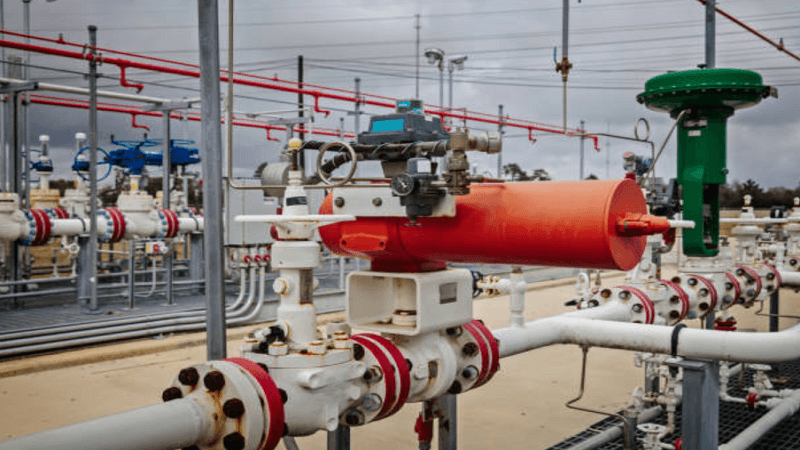
Have you ever turned on a tap or checked a pipe system and thought about what keeps everything flowing so smoothly?
Valves play a quiet but important part in water and fluid systems every single day. They help control movement, guide direction, manage pressure, and make routine operations feel simple and steady.
From homes and gardens to factories and treatment systems, different valve types each have their own role. Once you understand what each one does, it becomes much easier to see how fluid management stays organized, clean, and efficient.
Why Valves Matter In Everyday Fluid Systems
Valves may look like small parts of a bigger setup, but they help the whole system work in a clear and controlled way. They open flow, reduce flow, stop flow, or guide it where it needs to go.
They also help people manage water and other fluids with more accuracy. That means smoother maintenance, better flow control, and easier day-to-day use in many settings.
How Valves Support Smooth Operation
A valve helps a system do one or more of these jobs:
- start or stop flow
- control the amount of flow
- direct fluid to a different path
- support pressure control
- make repairs and maintenance simpler
Think of a valve like a traffic signal for fluid. It keeps movement organized, so the system can do its job without confusion.
Why Different Valve Types Are Used
No single valve fits every setup. A home plumbing line, an irrigation network, and an industrial pipe system all work a little differently.
That is why valve choice matters. The right type helps with:
- flow speed
- pipe size
- fluid type
- pressure level
- frequency of use
- space available for installation
A simple match between valve type and system need can make operation much more efficient.
Common Valve Types And What They Do
Each valve type supports fluid management in its own way. Some are best for quick shut-off, while others are useful for finer flow adjustment.
Knowing these basic differences helps you understand why one setup may use one valve and another setup may use something else.
Ball Valves For Quick And Clear Shut-Off
One of the most widely used options is ball valves. These valves use a round internal ball with a hole through the middle. When the hole lines up with the pipe, fluid flows through. When it turns away, the flow stops.
That simple action makes them popular in many systems.
They are often chosen for:
- fast on and off control
- clear open or closed positions
- reliable flow handling
- everyday plumbing and fluid lines
In many cases, they are a practical choice for systems that need direct control without a lot of adjustment.
Gate Valves For Full Flow Paths
Gate valves work by lifting or lowering a gate inside the valve body. When fully open, they allow fluid to move through with very little interruption.
They are often useful in systems where the goal is to let fluid pass freely through the line.
A common reason people like gate valves is that they support:
- full flow movement
- steady passage through larger lines
- clear open or closed operation
They are often seen in larger water systems where direct line flow matters.
Globe Valves For Controlled Flow Adjustment
Globe valves are helpful when a system needs more measured control. Instead of just switching flow on or off, they allow more gradual adjustment.
That makes them useful in places where flow rate needs a bit more attention, such as regulated fluid delivery or process control.
A globe valve can be a good fit for:
- adjusting flow levels
- steady control
- repeated operation with fine changes
Choosing The Right Valve For The Right Job
The best valve choice usually comes down to how the system works in daily use. A valve that suits the flow pattern, pressure level, and pipe material helps the whole setup perform better.
This is where understanding a few popular options becomes very useful.
Butterfly Valve For Large Flow Control
A butterfly valve uses a rotating disc inside the pipe. As the disc turns, it changes how much fluid passes through.
This style is often appreciated in larger systems because it is compact and efficient. It can support strong flow control without taking up too much room.
People often choose this valve type for:
- larger pipe systems
- quick flow regulation
- water distribution lines
- setups where space matters
It offers a neat balance between control and practical installation.
PVC Ball Valves In Lightweight Pipe Systems
In systems that use plastic piping, pvc ball valves are a common and useful choice. They are often seen in water lines, irrigation setups, garden systems, and other fluid networks where lightweight materials make sense.
They are valued for several reasons:
- easy fit with PVC piping
- simple open and close action
- clean and tidy system layout
- good support for regular water flow control
For everyday water management, this type of valve can make installation and use feel straightforward.
A Quick Look At Valve Roles
| Valve Type | Main Job | Common Use |
| Ball Valve | Quick shut-off | Plumbing and fluid lines |
| Gate Valve | Full flow passage | Main water lines |
| Globe Valve | Flow adjustment | Controlled delivery systems |
| Butterfly Valve | Large-line flow control | Distribution systems |
| PVC Ball Valve | Lightweight pipe control | Irrigation and water setups |
What Helps A Valve Support Better Efficiency
Good fluid management is not only about picking a valve type. It is also about matching the valve to the system and using it in the right place.
When that happens, the whole setup often feels more organized and easier to manage.
Practical Things To Keep In Mind
A few simple points can help when looking at valve use:
- Match the valve to the pipe material.
- Think about how often it will be opened or closed.
- Consider if the system needs to shut off or flow adjustment.
- Check the size of the line and expected flow volume.
- Use a layout that allows clear access for operation.
These small decisions can make a noticeable difference in how well the system works over time.
Why Understanding Valve Types Matters
When people understand valve types, they can make smarter choices for homes, gardens, buildings, and larger fluid systems. It becomes easier to see why one setup needs fast shut-off, while another needs steady control.
That kind of knowledge supports cleaner planning, smoother operation, and better results across many kinds of water and fluid management.
Final Thoughts
Different valve types each bring something useful to a fluid system. Some help with direct shut-off, some support full flow, and others allow more careful control.
When the valve matches the job, water and fluid management becomes more efficient, more organized, and easier to handle in everyday use.