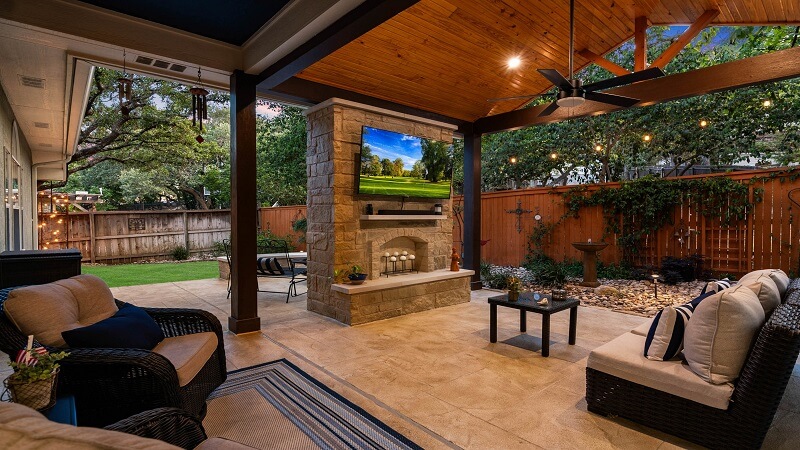
Creating a functional outdoor living area is one of the most rewarding ways to enhance your home’s value and lifestyle. Whether you want a space for relaxing, entertaining, or family gatherings, transforming your backyard can turn unused space into a personal retreat. Working with professional outdoor deck builders can make this process smoother and ensure your design is both practical and visually appealing.
Why Invest in an Outdoor Living Space?
A well-designed backyard is more than just an aesthetic upgrade—it’s an extension of your home. Outdoor living areas provide a versatile environment where you can unwind after a long day, host social events, or enjoy meals in the fresh air.
Additionally, outdoor spaces increase property value, improve curb appeal, and create a healthier lifestyle by encouraging more time outside. With thoughtful planning, your backyard can become a multi-functional haven tailored to your needs.
Step 1: Define Your Purpose and Layout
Before diving into design, determine how you want to use your outdoor space. Ask yourself:
- Do you want a relaxing retreat or an entertainment hub?
- Will you need space for dining, cooking, or lounging?
- How many people will typically use the area?
Once your purpose is clear, map out zones for different activities. For example, you might designate one area for seating, another for dining, and a separate space for greenery or a fire pit.
A clear layout ensures that your backyard feels organized rather than cluttered.
Step 2: Choose the Right Deck or Patio
The foundation of any outdoor living area is the deck or patio. This is where functionality meets design. Materials like wood, composite decking, concrete, or natural stone all offer unique benefits.
- Wood decks provide a natural and warm look
- Composite decking is low-maintenance and durable
- Stone patios offer a timeless and elegant feel
Selecting the right material depends on your climate, budget, and maintenance preferences. A well-built deck or patio acts as the central hub for your outdoor activities.
Step 3: Create Comfortable Seating Areas
Comfort is key when designing a functional outdoor space. Invest in quality outdoor furniture that is both stylish and durable.
Consider:
- Weather-resistant sofas and chairs
- Cushions with UV protection
- Modular furniture for flexible arrangements
Adding a mix of seating options allows your space to accommodate both intimate gatherings and larger groups. Incorporating shade elements like pergolas, umbrellas, or awnings can further enhance comfort.
Step 4: Add an Outdoor Kitchen or Dining Area
If you love entertaining, an outdoor kitchen or dining area is a must-have. Even a simple setup with a grill and dining table can elevate your backyard experience.
For a more advanced setup, consider:
- Built-in grills
- Countertops for food prep
- Outdoor sinks or mini-fridges
Dining under the open sky creates a unique experience that indoor spaces simply can’t match.
Step 5: Incorporate Lighting for Ambience and Safety
Lighting plays a crucial role in both aesthetics and functionality. It extends the usability of your outdoor area into the evening while enhancing the overall atmosphere.
Popular lighting options include:
- String lights for a cozy vibe
- Pathway lights for safety
- LED deck lights for modern appeal
- Lanterns or wall-mounted fixtures for style
Layering different types of lighting helps create depth and ensures your space is both practical and inviting.
Step 6: Bring Nature Into the Design
Greenery adds life and freshness to your outdoor space. Incorporate plants, flowers, and even small trees to create a natural and calming environment.
Ideas include:
- Raised garden beds
- Vertical gardens for smaller spaces
- Potted plants for flexibility
- Native plants for low maintenance
Blending natural elements with structural features creates a balanced and visually appealing design.
Step 7: Add Functional Features
To truly maximize your backyard, include features that enhance usability:
- Fire pits or fireplaces for warmth and ambiance
- Water features like fountains for a relaxing soundscape
- Storage solutions to keep the area organized
- Outdoor rugs to define spaces and add comfort
These elements not only improve functionality but also make your backyard feel like a true extension of your home.
Step 8: Focus on Privacy
Privacy is often overlooked but essential for a comfortable outdoor living space. You can create a sense of seclusion with:
- Fencing or privacy screens
- Tall plants or hedges
- Pergolas with curtains
A private space allows you to relax without distractions and fully enjoy your outdoor environment.
Step 9: Consider Weather and Durability
Your backyard design should withstand local weather conditions. Choose materials and furniture that are resistant to rain, heat, and UV exposure.
Maintenance is another key factor. Opt for solutions that are easy to clean and maintain, ensuring your outdoor space remains beautiful for years to come.
Step 10: Personalize Your Space
Finally, make your outdoor area uniquely yours. Add decorative elements that reflect your personality and lifestyle.
This could include:
- Outdoor artwork
- Decorative pillows and throws
- Unique planters or sculptures
- Music systems for entertainment
Personal touches transform a functional space into a welcoming and enjoyable retreat.
Final Thoughts
Transforming your backyard into a functional outdoor living area doesn’t have to be overwhelming. With careful planning, the right materials, and thoughtful design, you can create a space that enhances both your home and your lifestyle.
Whether you’re hosting gatherings or enjoying quiet moments, a well-designed outdoor area offers endless possibilities. Start small, focus on your needs, and gradually build a space that truly feels like an extension of your home.