
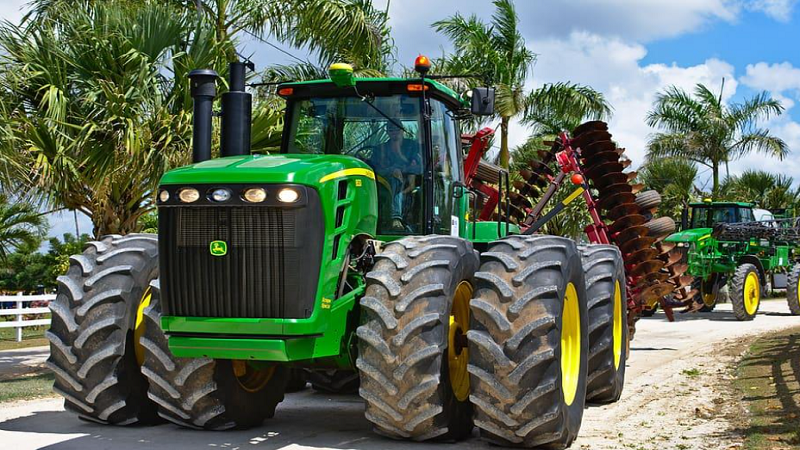
Modern farms rely on more than just tractors and heavy equipment. Utility vehicles have carved out a vital role by offering flexibility, speed, and convenience for everyday tasks. Whether it’s transporting tools, checking livestock, or navigating large properties, these machines help farmers stay efficient without relying on larger equipment for smaller jobs.
As farms become more dynamic and diversified, selecting the right utility vehicle requires a deeper understanding of performance, durability, and long-term usability. A thoughtful choice can streamline daily operations and improve overall productivity.
The Growing Importance of Utility Vehicles on Farms
Utility vehicles are no longer considered optional additions—they are essential tools that support a wide range of agricultural activities. Their compact size and maneuverability make them ideal for tasks that require quick movement across different areas of the farm.
From transporting feed to assisting with repairs, these vehicles help reduce labor demands and improve workflow efficiency. Their ability to operate in tight spaces and varied terrain adds to their practicality, especially on farms with diverse layouts.
Bridging the Gap Between Manual Work and Heavy Machinery
Utility vehicles fill a unique space between manual labor and large-scale equipment. They provide enough power to handle routine tasks while remaining easy to operate and maintain. This balance makes them a valuable asset for both small farms and large agricultural operations.
Key Factors to Consider When Choosing a Utility Vehicle
Selecting the right vehicle involves evaluating several factors, including engine performance, payload capacity, terrain adaptability, and maintenance requirements. Each farm has its own set of needs, so the ideal vehicle should align with daily operations rather than just specifications on paper.
A detailed utility vehicle comparison can help highlight differences in design, performance, and usability. Understanding these distinctions allows farmers to make informed decisions based on real-world applications rather than assumptions.
Matching Features to Practical Needs
Features such as four-wheel drive, cargo bed capacity, and suspension systems can significantly impact performance. However, not every farm requires the most advanced options. Choosing features that match actual usage ensures better efficiency and avoids unnecessary costs.
The Role of Utility Vehicles in Evolving Farm Operations
As agriculture continues to evolve, so do the demands placed on equipment. Farms are increasingly adopting diversified activities, including direct-to-consumer sales and agritourism, which require versatile tools capable of supporting multiple functions.
Utility vehicles are well-suited for these changing roles. Their adaptability allows them to handle a variety of tasks, making them an integral part of modern farming strategies.
Supporting Diverse Applications
From hauling supplies to assisting with maintenance tasks, utility vehicles can be adapted to meet a wide range of needs. This versatility reduces the need for multiple specialized machines, helping farms operate more efficiently.
Learning from Broader Equipment Trends
The agricultural equipment industry continues to innovate, introducing new models and technologies designed to improve performance and efficiency. These trends provide valuable insights into how machinery is evolving to meet modern demands.
For example, developments such as expanding compact tractor ranges and advanced equipment designs demonstrate the industry’s focus on versatility and efficiency. These advancements influence how utility vehicles are designed and used within farming operations.
Adapting to Industry Innovations
Staying informed about industry trends helps farmers make better equipment decisions. By understanding how new technologies impact performance, operators can select vehicles that align with both current and future needs.
The Importance of Comfort and Operator Experience
While performance is essential, operator comfort should not be overlooked. Long hours in the field can take a toll, making features such as ergonomic seating, smooth suspension, and intuitive controls highly valuable.
Design principles similar to those discussed in efficient solutions for comfortable and productive work environments also apply to farm equipment. Comfortable operators are more focused and productive, which directly impacts overall efficiency.
Enhancing Productivity Through Design
Well-designed vehicles reduce operator fatigue and improve ease of use. This not only enhances productivity but also contributes to safer and more efficient operations across the farm.
Maintenance and Longevity Considerations
Like any piece of equipment, utility vehicles require regular maintenance to perform reliably. Routine checks, including inspecting tires, monitoring fluid levels, and ensuring proper lubrication, help prevent unexpected issues.
Choosing vehicles with accessible components and straightforward maintenance requirements can simplify upkeep. This is particularly important for farms that rely heavily on their equipment for daily operations.
Preventive Care for Long-Term Value
Preventive maintenance not only reduces the likelihood of breakdowns but also extends the lifespan of the vehicle. By addressing minor issues early, farmers can avoid costly repairs and maintain consistent performance.
Conclusion
Utility vehicles have become an indispensable part of modern farming, offering a blend of versatility, efficiency, and practicality. Choosing the right vehicle involves more than comparing specifications—it requires a clear understanding of how the machine will be used in daily operations.
By evaluating performance, comfort, maintenance needs, and industry trends, farmers can invest in utility vehicles that support long-term productivity. In an environment where efficiency is critical, the right equipment can make a meaningful difference in both workflow and overall farm management.