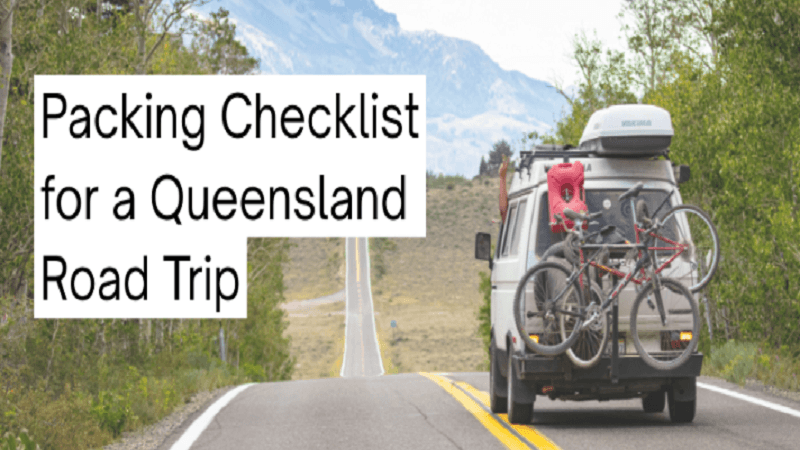
Picture this: you’re two hours into the Bruce Highway heading towards the Whitsundays, and the sun’s beating down harder than you expected. You reach for the sunscreen, but it’s sitting on your bathroom counter back in Brisbane. Or you’re out past Toowoomba when a warning light flashes, and you realise there’s no spare water in the boot.
These aren’t hypotheticals. At GlaPacked, we see hundreds of travellers pick up rental cars for Queensland road trips, and the same packing mistakes keep showing up. Our team has been renting vehicles for Queensland trips long enough to spot what separates prepared drivers from unprepared ones.
That’s why we put this road trip packing list together. It covers what actually works for Queensland’s climate and distances. You’ll learn which emergency essentials to pack and what climate-specific gear helps your trip run smoothly instead of cutting it short.
Before you throw anything in the boot, let’s start with the basics you can’t leave home without.
Road Trip Essentials: Documents, Cash, and Insurance
You can’t leave without your driver’s licence, rental agreement, cash, and proof of insurance. Here’s what you need for each:
- Driver’s Licence and Rental Agreement: Have your physical licence on you at all times. Queensland police run random checks, especially on remote highways, and you’ll cop an on-the-spot fine if you can’t produce it.
- Cash for Remote Areas: The deeper you head into Queensland, the fewer places accept card payments. That’s why you should carry $50-100 in cash so you can fuel up or pay tolls on routes like the Warrego Highway.
- Insurance Documents in the Glove Box: In a breakdown or accident, roadside assistance needs proof of rental coverage. Having your insurance paperwork ready in the glove box saves you time and stress.
Don’t wait until you’re pulled over or stranded to realise something’s missing. Double-check these essentials before you start the engine.
Car Emergency Kit: What to Keep in Your Boot
On remote Queensland roads, help can be hours away. Packing a spare tyre, jumper cables, water, and basic tools in your boot can prevent you from being stranded.
Your boot should have these four emergency items:
| Item | Why You Need It |
| Spare Tyre and Jack | Outback roads have sharp gravel that punctures tyres easily. You might wait three hours for roadside assistance between Townsville and Charters Towers. |
| Jumper Cables and Torch | Queensland’s heat drains car batteries quickly. If your battery dies after sunset on a remote highway, you’ll need cables and a torch to see what you’re doing. |
| First Aid Kit | Minor cuts, scrapes, or headaches happen on any road trip. Having bandages, pain relief, and antiseptics means you can handle small injuries without hunting for a pharmacy. |
| 5 Litres of Water and Basic Tools | Engines overheat in summer, especially when climbing ranges west of Brisbane. Water and a multi-tool let you top up the radiator instead of waiting hours for help. |
Before leaving the rental lot, check that your car has a spare tyre and jack. If it doesn’t, ask the rental company or buy a portable kit before heading onto remote highways.
Queensland Climate Must-Haves
Queensland’s weather swings from scorching sun to sudden storms. That’s why you need proper sun protection and wet season essentials to stay comfortable.
Sun Protection and Heat Gear
Queensland’s UV index reaches extreme levels year-round. Even winter sun can cause burns if you’re not careful. To avoid this, pack SPF50+ sunscreen and keep it somewhere accessible in your car so you can reapply every two hours at rest stops or beaches.
You’ll also need a wide-brimmed hat and polarised sunglasses for lookout points and walking trails. These spots offer almost no shade, and squinting through hours of driving strains your eyes. A good hat protects your face and neck while you’re exploring national parks or coastal areas.
Quick Tip: Take a cooling towel or portable fan while driving in the heat. In just 10 minutes, your parked car can turn into a microwave, and these items help you stay cool during stops.
Wet Season and Tropical Essentials
Tropical Queensland brings different challenges depending on when you visit. From November to April, afternoon storms can arrive without warning, making a packable rain jacket a must-have in your day bag. You’ll also need insect repellent with at least 20% DEET because mosquitoes and sandflies swarm at dawn and dusk around areas like the Daintree and Mission Beach.
Coastal waters bring another seasonal hazard: box jellyfish. If you’re planning beach stops along the northern coast between October and May, you’ll need a stinger suit. Bring your own if you’re visiting multiple beaches, which saves rental fees and time. Otherwise, most coastal towns rent them for around $10–15 per day.
In-Car Organisation: Glove Box to Back Seat
Nothing derails a road trip quite like digging through bags for a phone charger on the side of the highway. To avoid this, use these simple organisation tips:
- Glove Box Essentials: Store your rental agreement, a physical map backup, hand sanitiser, and tissues here. You need instant access to these items at rest stops without unpacking half the car.
- Centre Console within Arm’s Reach: Your phone charger, spare coins for parking meters, lip balm, and sunglasses all belong in the console. Keeping them there means you won’t have to fumble around and lose focus while driving.
- Back Seat Tote Bag: If you’re not travelling alone, pack a small tote bag in the back seat with snacks, water bottles, baby wipes, and a few grocery bags for rubbish. That way, passengers can grab what they need without asking you to pull over every 20 minutes.
Get organised from the start, and you’ll spend more time driving and less time digging.
Entertainment and Navigation for Long Drives
It takes around 18 hours to drive from Brisbane to Cairns. Routes to Mount Isa or the Gulf take even longer. Without reliable navigation and something to listen to, those long stretches can start to feel endless.
The problem is that the mobile signal often disappears on rural routes like the Capricorn Highway. To avoid getting lost, download offline maps before you leave. Save your entire route in Google Maps or Maps.me while connected to Wi-Fi so you’ll still have turn-by-turn directions when your phone shows “No Service.”
The same applies to entertainment. Download podcasts, music playlists, or audiobooks to avoid being stuck in silence during long stretches of driving.
Pro Tip: Bring a phone mount for easy visibility, plus a dual USB charger to keep everyone’s devices powered. Your phone battery likely won’t last 18 hours of continuous navigation.
Family Road Trip Packing Tips
Travelling with kids means extra planning for snacks, entertainment, and safety gear. Hungry or bored children can turn peaceful drives into chaos fast. These three essentials can help keep the journey calm and enjoyable:
- Properly Fitted Car Seats: Queensland law requires children under seven to be in the correct child restraint. Rental companies don’t always provide them, and even when they do, rental companies often install them incorrectly. If you’re travelling with young kids, bring your own car seat to stay safe and compliant.
- Mess-Free Snacks and Drinks: Hungry children get cranky fast, especially on long drives. Pack spill-proof options like crackers, pouches, and sealed juice boxes, so you’re not constantly cleaning or stopping.
- Kids’ Entertainment Supplies: Keep kids entertained on long drives by downloading movies to tablets, packing colouring books, and bringing small toys. This helps prevent constant “Are we there yet?” questions and lets you stay focused on driving.
With snacks, entertainment, and a little planning, a four-hour drive feels almost half as long. Without them, you’ll be stopping constantly and arriving frazzled.
Your Queensland Road Trip Packing List: What to Do Next
You now have a complete Queensland road trip packing list, covering emergency supplies, climate gear, food and water, and entertainment for long drives. Because Queensland’s distances and climate can be challenging, preparation makes the difference between a smooth trip and unexpected problems.
Before you leave, print this checklist and tick off each item as you pack. Double-check your emergency supplies (spare water, first aid, phone charger) and climate gear (sunscreen, insect repellent) the night before departure. These are the items you’ll rely on most if something goes wrong on remote highways.
If you need a vehicle for your Queensland road trip, GLAPacked offers rentals suited to different trips, from compact cars for coastal drives to SUVs for outback travel.
Get in touch to discuss which vehicle fits your itinerary.