
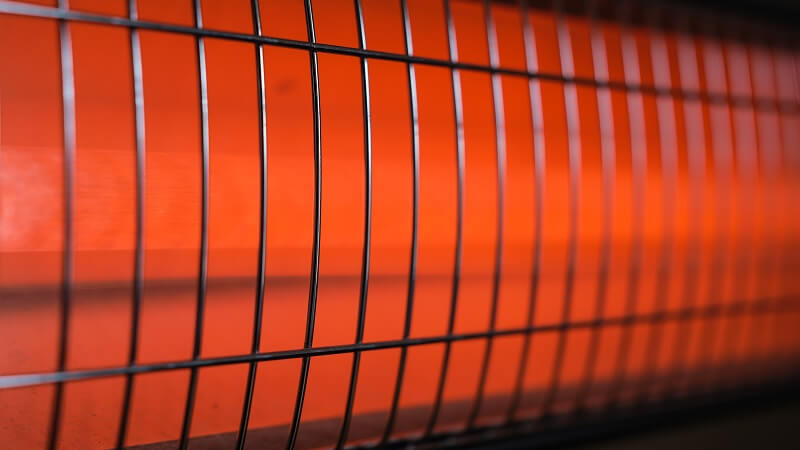
Electric radiant heaters have emerged as a practical and efficient heating solution for a variety of industrial and commercial spaces. These heaters offer a different approach to traditional heating systems by focusing heat directly on objects and people rather than warming the air. In environments where targeted, efficient, and consistent heat is needed, electric radiant heaters stand out as a reliable choice. This article explores how electric radiant heaters work, their benefits in commercial and industrial settings, and important considerations when using them.
How Electric Radiant Heaters Work
Unlike conventional heating methods, such as forced air or convection heating systems, electric radiant heaters rely on infrared radiation to provide warmth. These heaters function by emitting infrared waves that directly heat objects and surfaces in their path. These waves do not require the air to be warmed first, making them a more energy-efficient option in certain environments.
When an electric radiant heater is turned on, it generates infrared radiation that travels through the air without significantly heating it. Once the infrared waves encounter solid objects or surfaces (like floors, walls, or even people), they are absorbed and converted into heat, which then warms the space. This method of heat transfer is particularly useful in large, open industrial and commercial areas where it is inefficient to warm the entire volume of air.
Advantages of Electric Radiant Heaters in Commercial and Industrial Settings
Energy Efficiency
One of the key reasons the electric radiant heater is becoming more popular in industrial and commercial environments is its energy efficiency. Traditional heating methods, like forced air systems, often waste energy by heating the air first, which then rises and escapes the space. Electric radiant heaters, by contrast, heat only the objects and people within their direct line of sight, reducing heat loss and ensuring that energy is used more efficiently.
This method of direct heating is particularly effective in large, drafty warehouses or open-plan factories where conventional heating systems may struggle to maintain a comfortable temperature. By eliminating the need to heat the entire volume of a room, energy consumption is significantly reduced, which can result in lower utility bills over time.
Targeted Heating
Electric radiant heaters provide a high level of control over where heat is distributed, making them ideal for spaces where specific areas require heat. In large warehouses or manufacturing facilities, for example, workers may only need heat in specific zones or workstations. Radiant heating allows businesses to focus heat exactly where it is needed, preventing the wasteful energy consumption that can occur when heating the entire space.
Furthermore, in industries like food processing or warehouses that store temperature-sensitive goods, the electric radiant heater offers the flexibility to maintain a stable temperature in specific areas, helping to ensure product integrity and employee comfort. This level of targeted heating makes these heaters a versatile and cost-effective solution for a variety of applications.
Minimal Maintenance and Long Lifespan
Another significant advantage of electric radiant heaters is their low maintenance requirements. Since they do not rely on moving parts like fans or blowers, they experience less wear and tear and are generally more durable than other heating options. This means less time and money spent on repairs or replacement parts, which can be particularly beneficial for businesses that require reliable, continuous operation.
Additionally, because these heaters do not use combustible fuels or rely on ventilation systems, they are easier to install and operate with fewer safety concerns. The simplicity of the design contributes to a longer lifespan, which can make electric radiant heaters a sound long-term investment for many commercial and industrial environments.
Considerations for Using Electric Radiant Heaters
While electric radiant heaters offer many advantages, it is important to carefully consider the specific needs of the space before deciding if this heating solution is the best fit. There are several factors to take into account when using these heaters in industrial and commercial settings.
Space Layout and Size
Electric radiant heaters are most effective in spaces with open layouts, where the heaters can directly heat the areas or surfaces that need warmth. In highly partitioned spaces with a lot of walls or barriers, the heat may not be as effective in reaching the intended target areas. The heater’s design and placement will greatly influence its efficiency in such spaces.
For very large areas, it may be necessary to use multiple radiant heaters or combine them with other forms of heating to achieve optimal results. It is also important to consider the heater’s capacity in relation to the size of the space. An undersized heater may struggle to provide enough warmth, while an oversized unit could lead to energy inefficiency.
Temperature Control and Zoning
For optimal performance, electric radiant heaters should be integrated into a well-planned temperature control system. Many modern electric radiant heaters offer precise control over temperature, often with programmable settings that allow different areas of a large space to be heated according to specific needs. This feature is especially valuable in commercial and industrial settings where certain areas require more heat than others.
In warehouses or factories with varied temperature requirements, zoning is a highly beneficial feature. By installing heaters with independent control for each zone, businesses can maintain consistent temperatures in specific areas while reducing unnecessary heating in others.
Installation and Safety
Installing electric radiant heaters in industrial and commercial spaces typically involves mounting them to ceilings or walls, where they can effectively radiate heat downwards. Proper installation is essential to ensure that the heater functions optimally and safely. Electric radiant heaters should be placed in locations where they will not obstruct worker movements or interfere with machinery.
Safety is also a critical consideration. While electric radiant heaters do not emit harmful gases or require venting like gas-powered units, they can become very hot and may present burn risks if not properly installed or shielded. In addition, businesses must ensure that the electrical system can support the heater’s power requirements to avoid electrical overloads.
Environmental Impact
Electric radiant heaters have a minimal environmental impact compared to traditional heating systems, especially those that burn fossil fuels like oil or natural gas. Since they use electricity, the overall environmental impact depends on the source of that electricity. In regions where renewable energy sources like wind or solar power are used, the carbon footprint of operating electric radiant heaters is significantly reduced. In contrast, areas reliant on coal or other non-renewable energy sources may see higher emissions from electricity generation.
However, electric radiant heaters still offer an advantage over other heating methods because they focus on localized heating rather than heating the entire volume of a building. This efficient use of energy minimizes waste, contributing to a more sustainable heating solution.
The Bottom Line: Are Electric Radiant Heaters Right for Your Space?
Electric radiant heaters are a reliable and energy-efficient option for a variety of industrial and commercial settings. They provide targeted, efficient heat, reduce energy consumption, and require minimal maintenance. However, the suitability of these heaters depends on several factors, including the layout of the space, temperature control needs, and installation requirements.
By understanding how electric radiant heaters work and weighing the advantages and considerations discussed in this article, businesses can make informed decisions about whether this heating solution is the best fit for their needs. When implemented correctly, electric radiant heaters can provide long-term savings, improved comfort for workers, and a more energy-efficient heating solution for commercial and industrial environments.